Georgia's First Planned City
Welcome to Savannah, Georgia's oldest city and America's first planned city — a coastal community of live-oak squares, a landmark historic district, and a deep-water port.
Savannah is the county seat and largest city of Chatham County, on Georgia's Atlantic coast, and the oldest city in the state. Founded in 1733 by General James Oglethorpe, it is widely known as America's first planned city: Oglethorpe laid out the town on a grid organized around public squares, with residential and civic blocks arranged as "wards," a pattern that still shapes the city's core today. With roughly 147,800 residents, Savannah anchors a coastal metro whose identity blends preserved history with a major logistics and manufacturing economy. The National Historic Landmark District covers much of downtown and functions as an open-air survey of American architecture, with Georgian, Federal, Greek Revival, Gothic Revival, Italianate, and Victorian buildings lining streets canopied by live oaks and Spanish moss. River Street runs along the Savannah River at the district's edge, where century-old cotton warehouses have been converted into restaurants, shops, galleries, and inns. South of downtown, neighborhoods such as the Victorian District, Ardsley Park, and the Starland arts district extend the city's architectural character into tree-lined residential streets. Savannah's economy rests on several pillars. The Port of Savannah, one of the largest and busiest container ports in the United States, sits on the Savannah River and drives logistics, warehousing, and distribution employment, with Interstates 95 and 16 converging nearby. Gulfstream Aerospace, headquartered in the area, is among the region's largest private employers in business-jet design and manufacturing. Tourism and hospitality, buoyed by the historic district and nearby Tybee Island, are central, and higher education — the Savannah College of Art and Design (SCAD) and Savannah State University — adds an arts and academic presence. Public education is provided by the Savannah-Chatham County Public School System, the 10th-largest district in Georgia with roughly 36,000 students across about 55 schools. Interstate 95 connects the city north and south along the coast, Interstate 16 links it west to Macon and Atlanta, and Savannah/Hilton Head International Airport serves regional air travel. Tybee Island's Atlantic beaches lie a short drive east of downtown.
Savannah is located in Chatham County on Georgia's Atlantic coast. It is the county seat and the largest city in Chatham County, and it anchors the broader Savannah metropolitan area, which extends across the coastal Lowcountry and includes nearby barrier-island communities such as Tybee Island.
Savannah is known as America's first planned city, founded in 1733 by James Oglethorpe and laid out around public squares. It is famous for its National Historic Landmark District, live-oak-lined streets, River Street's converted cotton warehouses, and Forsyth Park, as well as the Port of Savannah and Gulfstream Aerospace.
Savannah is served by the Savannah-Chatham County Public School System (SCCPSS), the 10th-largest school district in Georgia, with roughly 36,000 students across about 55 schools. The Savannah College of Art and Design (SCAD) and Savannah State University provide higher education within the city.
Tybee Island, the nearest Atlantic beach community, lies just east of Savannah across the coastal marsh. It offers sandy beaches, a south-end pier and pavilion popular with anglers, and the Fort Screven area on its north end.
Savannah had a population of approximately 147,780 in the 2020 U.S. Census, making it the largest city in Chatham County and one of the larger cities in Georgia. The city is the historic and economic center of a coastal metro area built around the Port of Savannah and its logistics, manufacturing, and tourism industries.
The Port of Savannah drives logistics, warehousing, and distribution jobs, and Gulfstream Aerospace is one of the area's largest private employers in business-jet manufacturing. Tourism and hospitality, healthcare systems, the school district, and higher education institutions such as SCAD and Savannah State University are also major employers.
City Guide
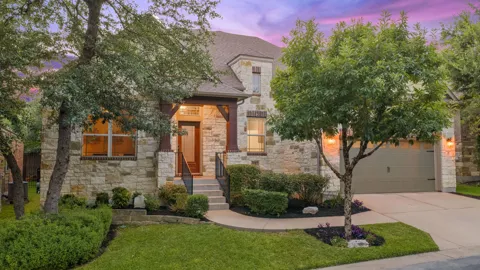
Savannah's housing spans centuries of styles, and its market character follows that range. The downtown core is defined by restored historic homes — Greek Revival townhouses with raised basements and side halls, Federal and Italianate residences, and Victorian frame and brick houses — many inside the National Historic Landmark District, where exterior changes are guided by preservation review. Moving south, the Victorian District offers late-19th-century homes, while Ardsley Park presents an early-20th-century take on the Oglethorpe plan, with bungalows and larger period houses arranged around landscaped squares. Midtown and the islands to the east add midcentury and newer single-family subdivisions, and the marsh and waterfront areas include condominiums and elevated coastal construction. Because so much of the inventory is older, buyers often weigh renovation and flood considerations alongside the appeal of historic architecture and walkable squares.
Savannah's neighborhoods read as a timeline of the city's growth. The Historic District, around the original Oglethorpe squares, holds the oldest stock and is the center of tourism and walkable living. The Victorian District, running south from the historic core along Bull and Whitaker streets, is known for its rows of restored Victorian houses and the Starland arts enclave. Ardsley Park, developed in the early 20th century, is a landscaped midtown neighborhood whose gridded squares consciously echo Oglethorpe's original plan. Gordonston, on the east side, is often described as similar in feel to Ardsley Park but more laid-back. Beyond the city's core, the Lowcountry marsh and barrier islands to the east — anchored by Tybee Island — offer coastal living with beach access.
Savannah's lifestyle centers on its walkable historic core and its coastal setting. The squares scattered through downtown serve as shaded gathering places, and Forsyth Park — the city's largest and oldest, with its landmark fountain and bandshell — hosts concerts and festivals including SCAD's annual Sidewalk Arts Festival. River Street provides riverfront dining and nightlife in converted cotton warehouses, with rooftop bars and live music above the cobblestones. The presence of SCAD and Savannah State University keeps the city's arts, design, and music scenes active beyond the tourism corridor, and the Starland district functions as an artist-driven neighborhood with studios, galleries, and independent cafes. Foodways draw on the Lowcountry and the coast, from fresh seafood to Southern classics, and residents move easily between downtown culture and weekend trips to Tybee Island.
Public education in Savannah is provided by the Savannah-Chatham County Public School System (SCCPSS), the 10th-largest district in Georgia, serving roughly 36,000 students across about 55 schools spanning elementary, K-8, middle, and high school grades. The district includes a mix of neighborhood schools, magnet programs, and specialized academies, and it operates the non-charter public schools across Chatham County, not just within the city limits. Higher education is a strong local presence: the Savannah College of Art and Design (SCAD) is a major arts university with facilities throughout the historic district, and Savannah State University, a public historically Black university, sits on the city's southside. This concentration gives families a range of public, magnet, and private options tied to neighborhood assignment and district choice programs.
Savannah sits at a transportation crossroads. Interstate 95 runs north-south along the coast, and Interstate 16 begins at the city and runs west to Macon and Atlanta, with the two interstates converging a few miles from the Port of Savannah. The Port of Savannah, one of the largest container ports on the U.S. East Coast, is a defining element of the local transportation and logistics landscape. Savannah/Hilton Head International Airport serves regional and connecting flights. Within the city, the historic district is highly walkable, with a compact grid built around the squares; across the wider metro, residents rely on cars, with the islands and Tybee Island reached by causeway.
Savannah's recreation is split between its urban parks and the surrounding Lowcountry coast. Forsyth Park, spanning more than 30 acres, is the city's largest and oldest public park, with a landmark fountain, a bandshell for concerts and festivals, and broad lawns shaded by live oaks. The downtown squares themselves function as a network of small parks, many with monuments and gardens. On the water, the Savannah, Ogeechee, and Vernon rivers offer paddling and wildlife viewing, and Tybee Island, just east of the city, provides Atlantic beaches, a south-end pier and pavilion popular with anglers, and the Fort Screven area on the island's north end. The mild coastal climate supports year-round outdoor activity, from walking the historic district to boating and fishing in the tidal marshes.
MARKET SNAPSHOT
How homes have been selling here over the last 90 days.
Market data reflects closed sales over the last 90 days and is provided for informational purposes.
BROWSE BY ZIP
Browse listings by postal code in this area.